
Wait, Can Wisdom Teeth Grow Back After They’re Removed?

If you’ve ever had your wisdom teeth removed, you know what an ordeal it can be – from the initial shock of being told by your dentist that they need to go all the way through to the usually painful recovery afterwards.
But when it’s over, relief sets in – finally, no more pain and bother from those pesky third molars.
So if someone were to tell you that things weren’t necessarily over for good, would you believe them? That’s right; some people are wondering if their wisdom teeth can actually grow back once they’re taken out!
If this has got you curious, don’t worry; we’ve done our research and have all the answers. In this blog post, we’ll explore exactly what happens after tooth removal and offer a definitive answer as to whether or not wisdom teeth can regrow!
Let’s get started!
What Are Wisdom Teeth?
First, before we go into what wisdom teeth are, let’s briefly go over the numerous kinds of teeth that humans have.
Even though we might not give much thought to our teeth until they begin to cause us difficulties, they play a crucial role in our day-to-day lives.
Teeth are an essential part of our bodies since they assist us in chewing food, make it possible for us to articulate speech, and determine the appearance of our faces.
On average, adults have 32 teeth, and these teeth can be divided into three categories:
These are the teeth that make up the majority of our grin, the incisors. In the front centre of each of our mouths, we each have eight incisors—four on the top and four on the bottom.
Because they are narrow and flat, these teeth are perfect for the task of biting down on the food that we eat.
As a result of the fact that they are frequently the first teeth that other people notice, we tend to place a great deal of emphasis on maintaining their health and look.
Canines are the sharp, pointy teeth that all humans have and which are most often thought of as being characteristic of vampires.
There are two incisor teeth at the top of the jaw and two at the bottom of the jaw. The canines enable us to actually tear apart our meals, which makes it simple for us to consume delicacies like a loaf of bread that has just been made.
Molars are huge teeth with a flat surface that are found in the rear of our mouth. Molars are also known as wisdom teeth.
They are the teeth that are used the most when we chew food.
There are three distinct categories of molars, and you may categorise them based on where they are placed in the mouth. In the very rear of our mouths are where we find our third molars, more frequently referred to as our wisdom teeth.
The wisdom teeth, also known as the third molars, are located in the very rear of the mouth. Between the ages of seven and ten, they can be found beginning to develop in the jaw.
By the time a person is in their late teens, the roots of their wisdom teeth have developed, and the crown might well have begun to appear. In most cases, by the time we hit our mid-twenties, our wisdom teeth have completed their formation and might have begun to emerge in some capacity.
The majority of individuals have four wisdom teeth in their mouths. On the other hand, there are those who have fewer and still others who have none at all.
There’s no reason to be concerned about your wisdom teeth in any case, regardless of how many you have.
The presence of few wisdom teeth is not indicative of poor oral health but rather of hereditary predisposition. Therefore, if neither of your parents has their wisdom teeth, there is a good chance that you won’t either.
Why Are Wisdom Teeth Called “Wisdom Teeth”?
Since they come in at a later stage in life, third molars are often referred to as wisdom teeth. However, in spite of the fact that we refer to them as our “third molars” in everyday conversation, the explanation to this inquiry requires that we go through time.
The famous Greek physician Hippocrates described the wisdom teeth as the “sophronisteres,” which literally translates to “prudent” teeth.
Third molars were referred to as “dentes sapientiae” in the Roman Empire, which literally translates to “tooth of wisdom.”
They are the final set of teeth to come through the gums, which is how they got their name. When they do finally surface, it’s often considered that an individual is more experienced and knowledgeable than when they were younger.
At What Age Do Wisdom Teeth Typically Erupt?
When do people typically get their wisdom teeth? The emergence of one’s third molars or wisdom teeth typically begins between the ages of 17 and 25.
However, because they don’t often come in until a person is well into adulthood, the term “wisdom teeth” refers to the age at which a person typically gets their first set of these molars.
Are You Able to Get Your Wisdom Teeth Back After a Number of Years?
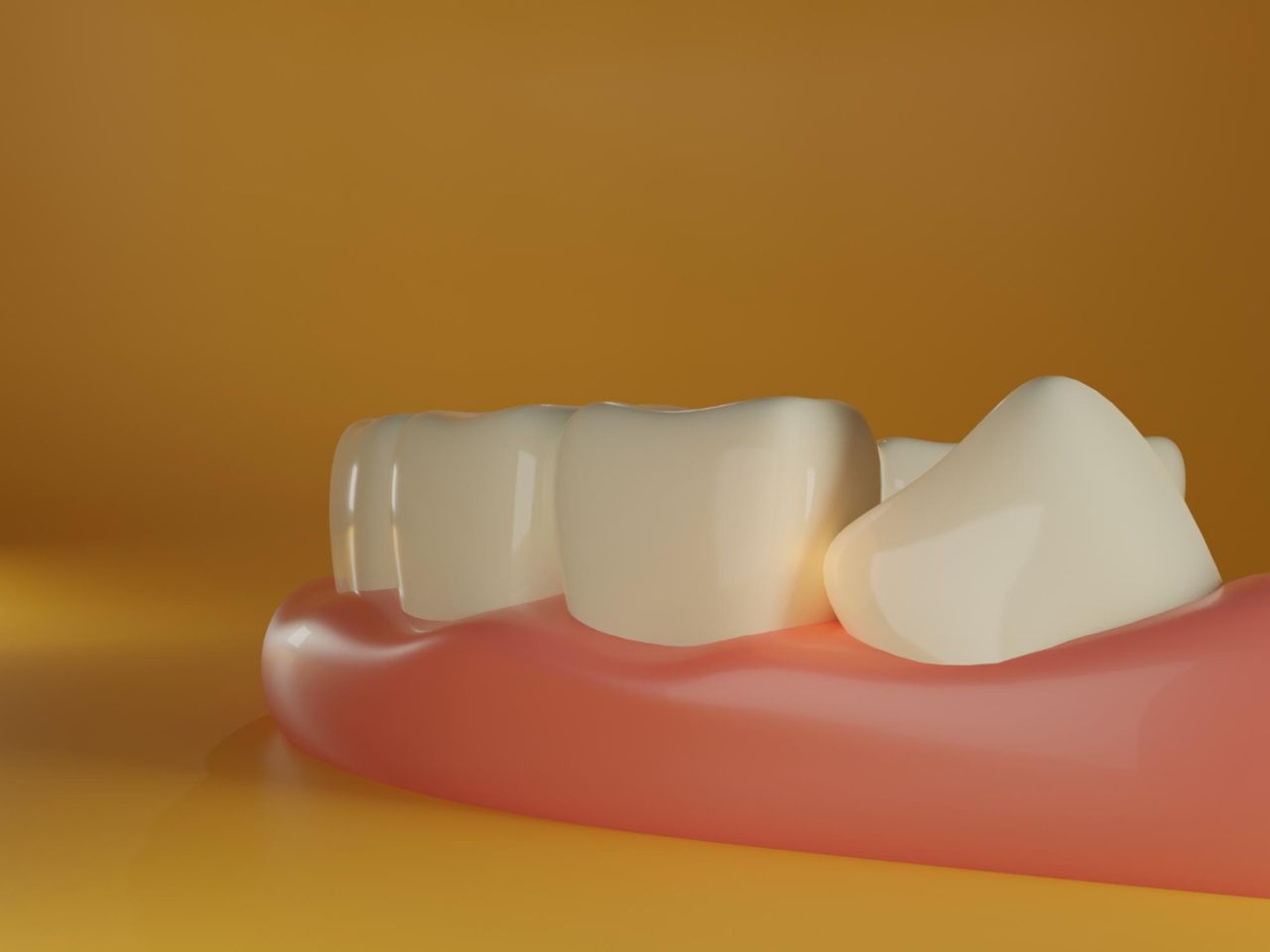
After having your wisdom teeth removed, they will never come back into your mouth again.
So if you get your wisdom teeth extracted while you are younger, there is absolutely no possibility that they may erupt again when you are in your 30s, 40s, 50s, or any other decade after that.
If you have already had a procedure to remove your wisdom teeth, you will never be required to endure the ordeal again in your life.
Do Wisdom Teeth Always Have To Erupt?
The so-called wisdom teeth eventually fall out. These teeth are the very last pair of molars to develop in the mouth, and they are not anticipated by any baby teeth at any point throughout their development.
Once they have reached the same length as the rest of your molars, at which point they will cease, wisdom teeth continue to elongate.
Why, therefore, do such a large number of people require dental work to have their wisdom teeth extracted when they reach their adult size and the teeth no longer continue to grow?
Why Are Wisdom Teeth Necessary?
It’s common knowledge that having wisdom teeth can cause crowding in your other teeth, which can result in a variety of dental issues such as headaches, jaw pain, and illnesses of the gums.
Because our predecessors’ jaws were substantially bigger than ours are now, they had an additional set of teeth that served them well and were not a burden in any way.
Alterations in the human diet led to the evolution of the jaws.
Because the food was often more fibrous and needed more power when biting in hunter-gatherer communities, the jawlines were usually more prominent.
On the other hand, the development of agriculture led to a move away from natural foods towards more processed foods that are less difficult to eat.
As a direct consequence of this, human beings evolved to have reduced jawlines.
The presence of additional wisdom teeth is often the cause of crowding because there is just not enough room for them in our mouths.
When Must the Third Molars (Wisdom Teeth) Be Pulled from My Child?
According to a number of research studies, the likelihood of individuals over the age of 35 experiencing difficulties following the removal of their wisdom teeth is higher than the likelihood of problems occuring in younger patients.
When a patient is young, the operation to remove their wisdom teeth is less challenging, and healing time is shorter, as the patient’s roots have not yet fully formed and the bone in the nearby region is softer.
Because of this, the possibility of causing damage to neighbouring nerves and other places is reduced.
What are the Roots of the Problem with Impacted Wisdom Teeth?
When something inhibits the wisdom teeth from emerging into the mouth, they are said to be impacted. That is, they are hindered by anything that prevents them from completely erupting.
There are occasions in which these teeth come in at an inclination, and other teeth hinder them from emerging in the correct manner.
Teeth that have only partly emerged or are impacted provide ideal conditions for the growth of germs. Cavities and pericoronitis are common issues for them to deal with.
In the event that your child’s wisdom teeth are impacted, it will be challenging for them to practise good dental hygiene.
Therefore, in most cases, it is advisable to have them completely removed. However, it is possible that your child’s wisdom teeth might not need to be extracted if they’ve erupted into an upright posture and aren’t providing them any discomfort.
Regardless of whether the tooth can be seen, the fact that it is getting impacted increases the risk that the tooth will:
- Developing at an inclination in the direction of the tooth that comes after it in the row.
- Developing at an inclination such that the rear of the mouth is facing it
- Remaining encased within the jawbone and its surrounding tissue
What are the Signs and Symptoms of a Tooth That Is Impacted?
There are many possible symptoms associated with impacted teeth, but the following are the most prevalent ones:
- Gums that are inflamed or red
- Jaw discomfort
- Painful or bleeding gums
- Having terrible breath
- A flavour that is awful in one’s tongue
- Having trouble expanding your mouth is a problem
Why Do Individuals End Up Having Their Wisdom Teeth Extracted?
There are many different motivations for why individuals prefer to have their wisdom teeth extracted.
One of the most prevalent explanations for this is that there isn’t sufficient space in the mouth for the wisdom teeth to erupt in the correct position.
When this occurs, they may crowd the surrounding teeth, which can lead to difficulties with the way you bite down.
In addition, newly erupted wisdom teeth are notoriously challenging to keep clean, which increases the risk of cavities and periodontal disease.
Individuals get their wisdom teeth out for a number of reasons, one of which is because they have been impacted.
This indicates that the tooth is trying to erupt through the gums, but it is unable to do so since it is developing in at an inclination.
Teeth that become impacted can cause discomfort, as well as overcrowding and harm to surrounding teeth. They are also at a greater risk of becoming infected.
Extracting one’s wisdom teeth is a frequent dental treatment that an oral surgeon usually carries out. In most cases, the operation is carried out under the influence of local anaesthetic in conjunction with sedation.
In most cases, the healing process is relatively brief, and the majority of patients report feeling only a little pain after the treatment.
How Does The Removal Of Wisdom Teeth Take Place?
When you get your wisdom teeth out, the bone underneath them also comes out. Because of this, it is difficult for your wisdom teeth to regrow once they have been extracted.
On the other hand, you might notice some tissue development in the vacant socket where your tooth used to be after you have your tooth extracted.
This natural occurrence occurs during the recovery period and will go away in due time.
How are the Third Molars Pulled from the Mouth?
If you’ve ever had a tooth extracted before, the procedure for removing wisdom teeth will be relatively identical to what you experienced.
Therefore, your orthodontist or oral surgeon can perform this surgery.
However, it is possible that insurance will not cover this surgery, which is why it is essential to shop around for the most affordable option for this surgery. If not, it has the potential to become quite costly soon.
The operation can be carried out quite fast after you have decided upon a specialist to execute it. You will receive an injection to numb the tooth and the tissue surrounding it before the surgery begins.
Due to the sensitivity of your gum tissue, this is the part of the operation that will cause you the greatest discomfort. If you are very uneasy about the prospect of this, then your specialist may be capable of prescribing you a sedative that will assist you in becoming more calm.
After administering the shot, your medical practitioner will start the removal. In the event that your wisdom tooth has not yet broken through the gums, your dentist will need to create a little cut in the gums in order to reach it and remove it.
Nevertheless, in the vast majority of circumstances, that will not be required.
Your dentist will start the process by enlarging the space in the jawbone where the wisdom teeth are anchored, which will make it simpler for them to remove the tooth.
They will then start to gently shake the tooth back and forth in an effort to dislodge it. In the final step, the whole tooth will be extracted. It is highly improbable that you will experience any discomfort while the tooth is being extracted because both the tooth and the region around it will be rendered entirely numb.
From beginning to end, the process should take at most fifteen minutes at the absolute most. After that, you will be given pain medication and sent to recuperate at home.
During the first two days, you may have some discomfort and even some bleeding. After that, however, the area where the tooth was extracted will swiftly recover, and after ten days, you should not experience any soreness at all.
After the Surgery
There is a good chance that you will suffer inflammation as well as some minor discomfort for around three days. Throughout this time, you need to make sure that you:
- Applying an ice pack to the injured side of your injured face will help reduce inflammation.
- To strengthen your jaws, practise closing and opening your mouth in a relaxed manner.
- You should start washing your teeth again on the following day after the surgery; however, you should be cautious to avoid rubbing against any blood clots that may have formed.
- Be sure to take in lots of fluids.
- If you want your mouth to recover faster, stop drinking through a straw because the suction movement might actually break up blood clots that are helping your mouth recover.
- Please give your mouth a gentle rinsing with some saltwater.
- After the treatment, you should not clean your teeth for at least a day, despite the fact that you’ll undoubtedly want to do so immediately. It would be best to prevent spitting and washing your mouth with water.
What Kind of Food Should I Consume Following Getting All of My Teeth Pulled?

The most important thing to remember is to stick to eating only soft meals for the first few days after your operation. The following are some suggestions:
- Rice
- Pasta
- Soup
- Pudding
- Gelato
- Mashed potatoes
- Scrambled eggs
- Hummus
- Yogurt
- Applesauce
- Protein shakes
- Smoothies
- Jell-O
- Sorbet
How Much Time Must Pass Before Feeling Better?
After getting your wisdom teeth out, most individuals report that the recuperation period lasts no more than a few days. The first two days after surgery will be the most difficult, but by the third day, the majority of individuals will begin to feel very much like themselves again.
Although you might still be suffering some inflammation, you must be able to start a more complete diet by the third or fourth day after surgery. This is true even if you might still be having some edema.
What Kind of Treatment Is Available for the Ache Caused by These Teeth?
You can take certain measures at home to alleviate your child’s toothache in the interim before you take them to a dental professional. For example, suppose you think your child is experiencing discomfort from their wisdom teeth. In that case, it is extremely important that you take them to a dental professional as soon as possible so that the problem may be appropriately diagnosed and treated. However, while you wait, you might try some of these useful cures at home:
- To make a wash with warm salt water, combine one cup of warm water and one teaspoon of salt in a separate container. Stir the mixture until the salt is completely dissolved. After that, you should spit out the mixture after rinsing for one minute.
- In order to alleviate the discomfort associated with teething in youngsters, benzocaine numbing gel is frequently applied. Use a Q-tip or a clean cloth to administer the solution to the impacted tooth. This should provide temporary relief from the ache in your teeth.
- Apply an ice pack compress to the affected region by holding a cold pack or bag of ice against it for twenty minutes. The ice will assist in reducing any inflammation that may have occurred and will numb the discomfort.
Following Having The Wisdom Teeth Out, Is It Possible For Them To Grow Back?
It’s extremely upsetting to think about having to go through the process of having a tooth pulled to have it come back in later. But it would be best if you weren’t concerned about that at all because it won’t happen. It is a frequent fallacy; nevertheless, there is no basis for this thought in reality. Wisdom teeth don’t really regrow.
Obviously, there are some people who choose to have one of their wisdom teeth extracted at a younger age before any of their other wisdom teeth have even emerged. This may create the impression that the wisdom teeth pulled have grown back into place.
Nevertheless, after your wisdom tooth has been extracted, it is impossible to get it back.